How to take care of your Snake Plant: Your Ultimate Care Guide
The snake plant has taken the Instagram feed by storm. This beautiful and low-maintenance plant has become a favorite among plant lovers, especially those who have busy lifestyles.
Not only is this plant aesthetically pleasing, but it also comes with a plethora of health benefits.
In this care guide, we will discuss everything you need to know about caring for your snake plant to ensure its optimal growth and health.
How to take care of your Snake Plant

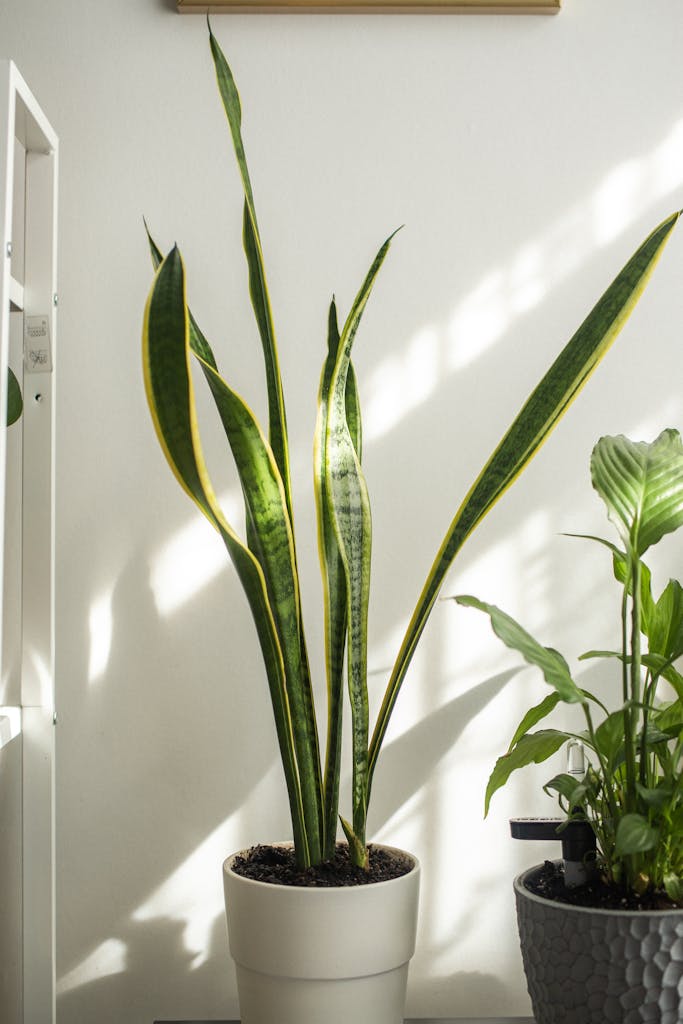
The Snake Plant (Sansevieria) is incredibly resilient and easy to care for, making it an excellent choice for both beginners and experienced plant owners.
With long, elegant, sword-like leaves that stand erect, snake plants are architectural beauties that add a modern, stylish twist to any corner of your home.
They’re known to have air-purifying qualities. This means they’re great for improving your indoor air quality by removing toxins such as formaldehyde, xylene, and toluene.
Moreover, studies have shown that snake plants can also increase oxygen levels in the room at night, making them ideal bedroom plants.
Here are some essential tips to help you keep your snake plant thriving:
Light Requirements
One of the most important aspects of taking care of any plant is adequate lighting.
The snake plant is a low-light tolerant plant, which can survive in various light conditions, from bright indirect to low light.
However, place your snake plant in bright indirect light for optimal growth and health. This means placing it near a window where it can receive bright but filtered sunlight.
Avoid placing your snake plant in direct sunlight as it can damage the leaves and cause them to turn yellow.
So be careful with positioning it near a south-facing window.
Watering and Temperature
Now, don’t go splashing these guys with water every day.
They don’t like wet feet!
Water them sparingly, allowing the topsoil to nearly dry before the next watering. During winter, reduce watering to once every two weeks or so.
Ensure your snake plant is planted in well-draining soil and a pot with drainage holes to prevent overwatering.
In terms of temperature, the snake plant can survive in a wide range of temperatures.
However, it prefers warmer temperatures between 70-90°F (21-32°C) and can tolerate temperatures as low as 50°F (10°C).
Avoid placing your snake plant in areas with cold drafts, such as near windows or doors in winter.
As for temperature, they’re not fussy. Anything between 70 – 90 degrees Fahrenheit works great.
Just be sure to keep them away from drafts and air conditioning units.
Soil and Fertilization
As mentioned before, snake plants prefer well-draining soil.
A mixture of potting soil and succulent mix is ideal for their growth.
Adding perlite to the mix can also improve drainage and aeration.
Fertilizing your snake plant is unnecessary, but if you choose to do so, use a balanced fertilizer once or twice yearly during the growing season.
Avoid fertilizing in winter when the plant is dormant.
Succulent soils work best, reducing the risk of overwatering by 80%. Fertilize sparingly in the growing season, ideally every 2-3 weeks.
Repotting
Snake plants don’t require frequent repotting as they like to be slightly rootbound.
Repot your snake plant every 2-3 years, or when you see the roots growing out of the drainage holes.
Choose a pot that is one size larger than its current one and use well-draining soil to prevent overwatering.
Propagation
Propagation? Sounds complicated? I promise it’s not.
Just stick a leaf in water or soil, and watch it grow.
Of course, it’s not that quick, but you get the idea.
You can also divide the plant when repotting by gently separating the rhizomes and potting them individually.
Propagation is a great way to expand your snake plant collection or give them as gifts to fellow plant lovers.
Pest Control
Snake plants are relatively pest-free, but there’s always a chance for an infestation.
The most common pests found on snake plants are spider mites and mealybugs.
To control these pests, wipe the leaves with a cloth dampened in water and mild soap solution.
Repeat this process every few days until the infestation is gone.
Avoid using harsh chemicals as they can damage the leaves.
Additional Tips
- Dust your snake plant leaves regularly to improve its appearance and help with its photosynthesis.
- Use a pebble tray or mist the leaves to increase humidity, especially during the drier winter months.
- Rotate your snake plant every few weeks to ensure even growth and prevent it from leaning towards the light source.
- Remove any dead or damaged leaves to promote new growth and maintain a tidy appearance.
Whether you’re a seasoned plant parent or just starting out in indoor gardening, the snake plant is a stunning, easy-care addition to your home.
Go on, grab a snake plant, and see it flourish effortlessly!
Let’s Wrap Things Up!
Now you have everything you need to know about caring for your Snake Plant.
It may seem like a lot right now, ….information overload, but I promise, with these tips, you’re on the fast track to becoming a Snake Plant whisperer.
Remember to have fun and enjoy the process of watching your plant grow. Happy gardening!